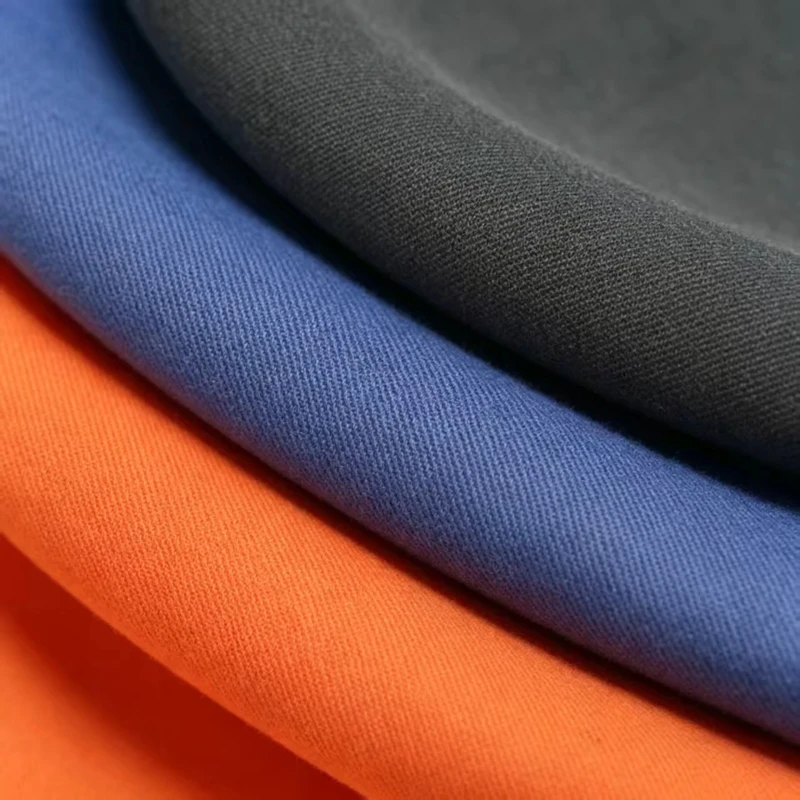
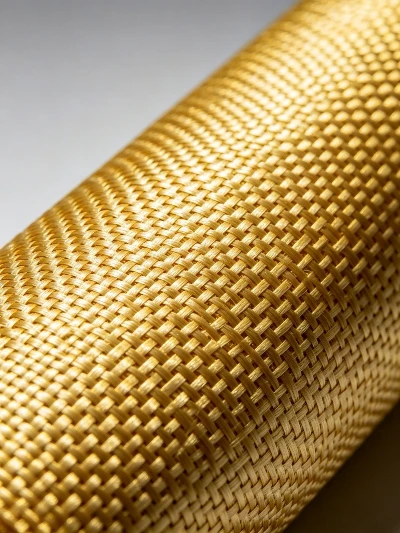
Aramid fiber is a cutting-edge high-performance aromatic polyamide fiber, first developed by DuPont. It is 20% lighter than carbon fiber and has a density of roughly 60% of glass fiber. Featuring high strength, high modulus, high temperature resistance, chemical stability, fatigue resistance, outstanding toughness and creep resistance, aramid fiber is widely applied in aerospace, electronics, bulletproof protection and other high-end fields.
The two mainstream types are meta-aramid (PMTA, aramid 1313) and para-aramid (PPTA). Meta-aramid boasts superior electrical insulation, commonly used for insulating paper, lightweight honeycomb composites and high-temperature filter materials. Para-aramid, with ultra-high strength and modulus, mainly serves as reinforcement for rubber and resin matrix composites.
Para-aramid (PPTA) is fabricated via dry-wet spinning from polymers synthesized by the polycondensation of p-phenylenediamine and terephthaloyl chloride. Its molecular chains are highly regular and rigid, endowing the fiber with high modulus. However, the smooth fiber surface and strong internal hydrogen bonding greatly reduce surface polarity and chemical activity. This leads to weak interfacial adhesion and poor bonding compatibility with matrix materials, restricting the comprehensive performance of para-aramid composites.