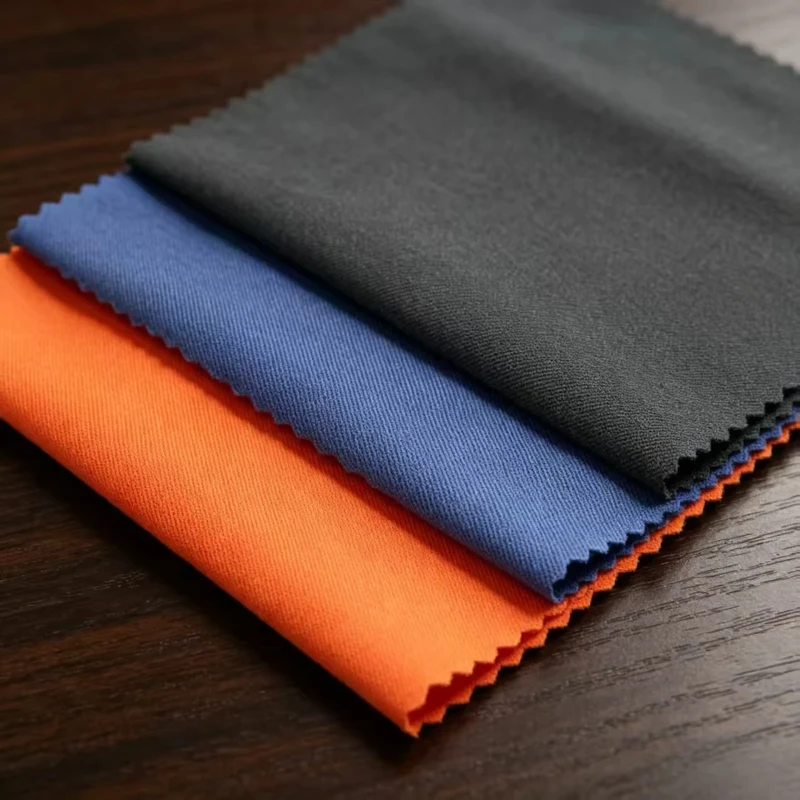
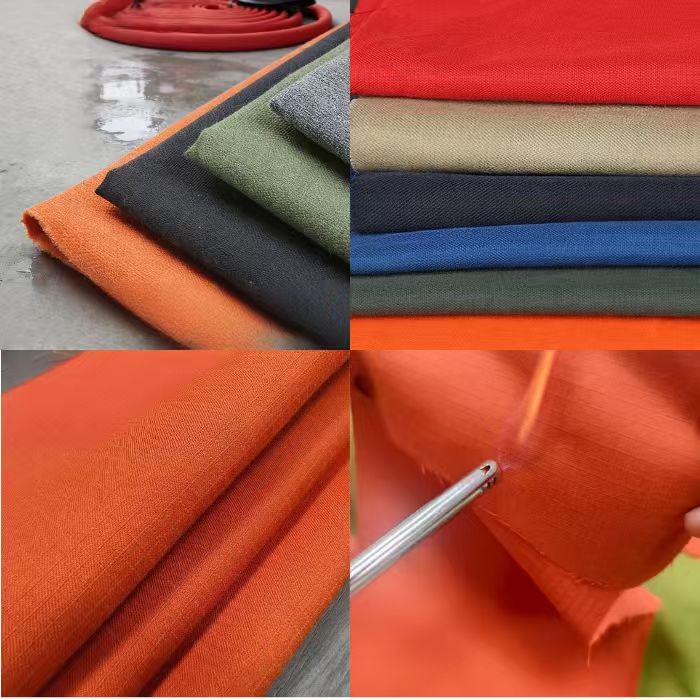
1. Security & Ballistic Protection (Largest Segment, ~38.2% Market Share)
Military: Bulletproof vests, helmets, vehicle armor liners, combat gear; driven by global defense modernization (NATO, Indo-Pacific, Middle East).
Law Enforcement: Soft body armor, anti-stab suits, riot gear for police and security forces.
Civilian/Industrial: Cut-resistant PPE (gloves, aprons), flame-resistant workwear for mining, oil & gas, and construction.
2. Optical Fiber Cable Reinforcement (~21–22% Share)
Used as high-tensile strength members in fiber optic cables (terrestrial, submarine) to resist tension, crushing, and environmental stress.
Driven by 5G/6G deployment, data center expansion, and global broadband infrastructure upgrades.
3. Automotive & Industrial Friction Materials (~15–16% Share)
Reinforcement for brake pads, clutch facings, and transmission components; delivers high heat resistance and wear stability.
Grows with EV and hybrid vehicle demand for lightweight, high-performance friction systems.
4. Tire & Rubber Reinforcement (~14–15% Share)
High-modulus cords for premium/performance tires: improves durability, reduces weight, and boosts fuel efficiency.
Industrial rubber: hoses, conveyor belts, hydraulic lines requiring strength and chemical resistance.
5. Aerospace & Advanced Composites
Lightweight structural fabrics for aircraft interiors, fuselage components, and satellite parts; combines high strength with low density.
Driven by aircraft lightweighting and next-gen aerospace material requirements.
6. Emerging High-Growth Areas
Energy Storage: Aramid-coated separators for lithium-ion batteries (EV/grid storage).
Hydrogen Storage: Woven fabrics for high-pressure Type IV hydrogen cylinders.
Rail/Marine: Flame-retardant interior panels and structural composites for transport safety.