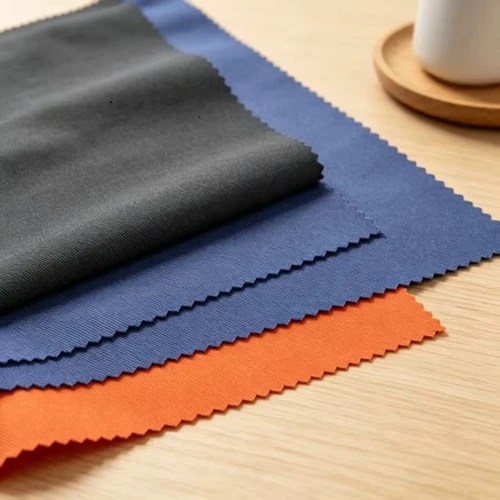
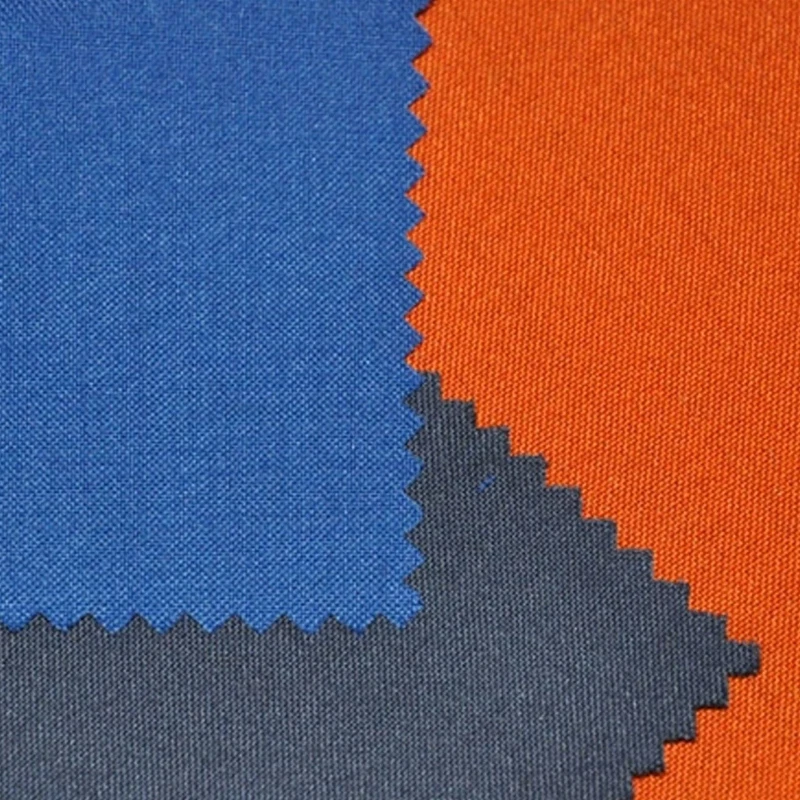
Aramid fiber, together with ultra-high molecular weight polyethylene fiber and carbon fiber, ranks among the world's three major high-performance fibers. Short for poly(p-phenylene terephthalamide), aramid is an advanced synthetic high-tech fiber with outstanding advantages including ultra-high strength, high modulus, high temperature resistance, acid and alkali corrosion resistance and low weight.
Its tensile strength is 5–6 times that of steel wire, the modulus is 2–3 times higher than steel wire and glass fiber, and its toughness doubles that of steel wire, while its weight is only about one-fifth. It will neither decompose nor melt at 560℃, and features excellent insulation, anti-aging performance and long service life.
As a crucial national defense and military material, aramid fiber is not only widely applied in military fields, but also extensively used in aerospace, electromechanical equipment, construction, automobile manufacturing, sports goods and other civil industries.
In terms of market application distribution, bulletproof vests, helmets and other protective products account for 7% to 8% of aramid consumption; aerospace and sports materials take up around 40%; tire framework and conveyor belt materials account for 20%; and high-strength ropes and other products make up about 13%.